GROUND BREAKING 🎊🔥🎈
May 28, 2025 at 06:24 PM
*CHRONIC KIDNEY DISEASE*
Mama says her legs are swelling again.
She barely eats, always tired and keeps going to pee at night— however you brush it off as old age.
But what if it’s not?
What if her kidneys are silently failing?
Here’s everything you need to know 👇🏼
*WHAT IS CHRONIC KIDNEY DISEASE?*
Chronic kidney disease is a condition where the kidneys are damaged and lose their ability to filter blood effectively.
This damage develops gradually, over months to years and is irreversible.
CKD also doesn’t show symptoms till significant damage has occurred.
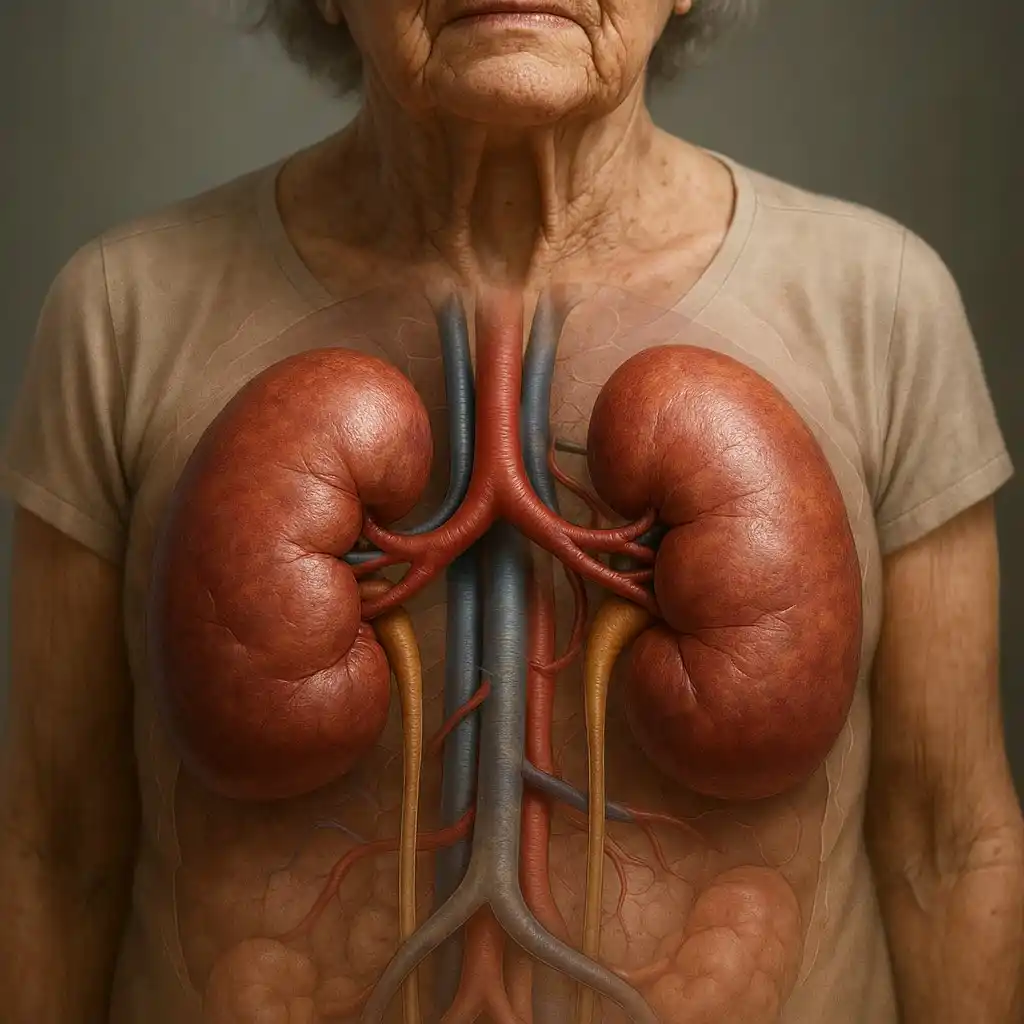
*THE KIDNEYS 📌*
The kidneys are 2 bean shaped organs located in the lower back, on either side of the spine.
What are their functions?
- Filtration of waste from blood
- Maintain balance of fluid and electrolytes
- Regulate blood pressure
- Produce hormones and red blood cells
- Supports bone health
When the kidneys fail, multiple systems in the body suffer.
*WHAT CAUSES CHRONIC KIDNEY DISEASE?*
The top 2 causes of CKD are:
- Diabetes (Type 1 and 2): High blood sugar damages the nephrons over time.
Hypertension: High blood pressure also damage blood vessels, reducing their ability to filter waste and regulate blood pressure.
*Other causes include:*
- Recurrent urinary tract infections (UTIs)
- Glomerulonephritis (inflammation of kidney filters)
- Prolonged use of NSAIDs (e.g. ibuprofen, diclofenac)
- Herbal concoctions or “detox” mixtures
- Polycystic kidney disease (genetic)
- Kidney stones or blockages
- Long-term untreated infections
*WHO IS MOST AT RISK?*
Chronic kidney disease can affect anyone, but the risk is higher if:
- You have diabetes or high blood pressure
- You’re over 60 years old
- You have a family history of kidney disease
- You use herbal remedies or unprescribed drugs regularly
- You smoke or drink excessively
- You’re obese or live a sedentary lifestyle.
*WHAT SIGNS DO YOU WATCH FOR?*
CKD is a silent disease, however watch out for these signs:
- Fatigue or general weakness
- Swollen feet, ankles or face
- Foamy or bloody urine
- Increased urination, especially at night
- Persistent itching
- Lack of appetite or metallic taste in mouth
- Difficulty concentrating or brain fog
These symptoms are mostly seen in later stages, when the disease is advanced.
*STAGES OF DAMAGE*
There’re 5 stages of kidney damage, divided based on the glomerular filtration rate.
The glomerular filtration rate (GFR) measures how well the kidneys are filtering blood.
A normal GFR is >90ml/min, while end stage renal disease is <15ml/min.
*CAN CDK BE TREATED?*
There is no cure for CKD, but you can slow or stop progression by:
- Monitoring blood pressure strictly
- Blood sugar control (in diabetics)
- Eating a Low-sodium, kidney-friendly diet
- Use of Medications like ACE inhibitors, ARBs, phosphate binders
- Avoiding nephrotoxic drugs (e.g., NSAIDs)
- Regular lab monitoring
In advanced CKD, patients may need:
- Dialysis – artificial filtering of blood
- Kidney transplant – for eligible candidates
Diet Tips for Kidney Health
Avoid:
- Excess salt (seasoning cubes, processed food)
- Red meat and high-protein diets (in later stages)
- Potassium-rich foods like bananas, avocados (in advanced stages)
- Phosphorus-rich foods (soda, dairy)
Focus on:
- Fresh vegetables (low potassium like cabbage, carrots)
- Healthy carbs (yam, sweet potatoes in moderation)
- Hydration (water intake depends on kidney function stage)
*5 THINGS YOU CAN DO TODAY*
- Drink clean water
- Reduce salt & processed foods
- Avoid unnecessary meds and herbal mixtures
- Manage blood pressure and sugar levels
- Get tested annually—especially if you’re at high risk.
Don’t ignore the signs, especially in elderly people.
More importantly, be aware enough to prevent it.
Prevention is cheaper, safer and smarter.
As for mama, you’d do well to take her to see a doctor.