
iMaDe FARMs
May 21, 2025 at 01:44 PM
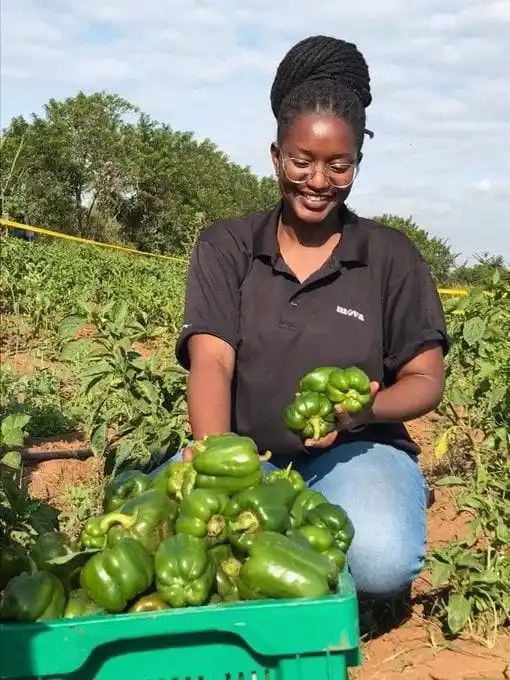
*TIPS ON HOW TO GROW PEPPER!👇😍*
1. Choose the right variety of pepper for your growing conditions. There are many different types of peppers, including green /sweet bell peppers/capsicum, hot chili peppers, and specialty varieties. Make sure to choose a variety that will thrive in your climate and soil conditions!
Green Pepper Farming is among the MOST PROFITABLE vegetable farming ventures you can engage in!
If you are BEGINNER in Green Peppers Farming or if you would like to learn how to maximize on your production, we have put together 3 step by step PDF books to guide you!
CLICK this link wa.link/nxecvp to REACH US on WhatsApp and ORDER for the 3 capsicum/bell/green pepper farming PDF guide books!
YOU WILL LEARNING EVERYTHING ON:
❤️ Pepper varieties/ uses
🧡 Climatic requirements/ planting seasons
💛 Spacing requirements
💚 Target market and market conditions
💜 Land/Manure preparation
❤️ Nursery & transplanting management
🧡 Diseases, disorders & pests
💛 Spraying program
💚 Harvesting and post harvesting ETC...
After receiving all the PDF guide books, you'll also be added in one of our iMaDe FARMs WhatsApp groups!
Okay, let's carry on with our discussion.
2. Start your pepper plants indoors about 8-10 weeks before the last frost date in your area. Plant seeds in small pots filled with seed starting mix and keep them in a warm, sunny location. Keep the soil moist but not waterlogged.
3. Once the seedlings have developed a few sets of true leaves, transplant them into larger pots or directly into the garden. Make sure to space the plants at least 18 inches apart to allow for proper air circulation.
4. Peppers prefer well-draining soil that is rich in organic matter. Amend the soil with compost or aged manure before planting to provide the plants with the nutrients they need to thrive.
5. Water pepper plants regularly, keeping the soil consistently moist but not waterlogged. Mulch around the base of the plants to help retain moisture and suppress weeds.
6. Fertilize pepper plants every 2-3 weeks with a balanced fertilizer to promote healthy growth and fruit production.
7. Support pepper plants with stakes or cages to help keep them upright as they grow and produce fruit.
8. Harvest peppers when they reach the desired size and color. Most peppers can be harvested when they are green, but they will continue to ripen and change color if left on the plant.
9. To extend the growing season, you can bring pepper plants indoors before the first frost and continue to harvest peppers from them throughout the winter.
10. Rotate pepper plants to a different location in the garden each year to help prevent the buildup of pests and diseases. Additionally, practice good garden hygiene by removing any diseased or damaged plants promptly!
Learning with *iMaDe FARMs!* 💚🤍🧡
👍
💚
3