
iMaDe FARMs
June 5, 2025 at 02:51 PM
*10 IMPORTANT TIPS FOR SUCCESSFUL CARROTS FARMING!* 👇😍🌱🥕🌱🥕
1. *CHOOSE THE RIGHT VARIETY:*
🥕 Select carrot varieties based on your climate and market demand.
🥕Popular varieties include Nantes, Imperator, Danvers, and Chantenay. Early-maturing varieties are ideal for quick harvests, while long-rooted types require deeper soils.
2. *PREPARE THE SOIL:*
🥕Carrots thrive in loose, well-draining sandy loam soils with a pH of 6.0 to 6.8.
🥕Remove stones, debris, and weeds to ensure straight root growth. Add organic compost to improve soil fertility and structure.
Are you interested in starting carrots farming or would you like to turn your carrots farm into a Carrots Farming Agribusiness?
If yes, we have put together 3 PDF guide books to help you learn all about planting, growing, harvesting, sorting, grading, packing, storage and marketing your carrots! You can order for your 3 PDF copies at the cost of one copy via WhatsApp here: wa.link/tt6oe2
After receiving the books you'll be added in one of our iMaDe FARMs WhatsApp groups
🌿🥕🌿🥕🌿🥕🌿🥕🌿🥕🌿🥕🌿
Let's continue with our discussion..............
3. *SOWING THE SEEDS:*
🥕Plant carrot seeds directly in the field, as they do not transplant well. Sow seeds 1/4 inch deep, spacing them 1-2 inches apart in rows that are 12-18 inches apart.
🥕Thin seedlings once they are 2 inches tall to prevent overcrowding.
4. *WATERING AND IRRIGATION:*
🥕Carrots require consistent moisture, especially during germination and root development.
🥕Use drip irrigation or sprinkler systems to keep the soil evenly moist but not waterlogged. Reduce watering as the roots mature to prevent splitting.
5. *FERTILIZER APPLICATION:*
🥕Before planting, apply a balanced fertilizer (e.g., 10-10-10) or well-decomposed manure.
🥕Avoid excessive nitrogen, as it promotes leafy growth at the expense of root development. Side-dress with potassium-rich fertilizer during mid-growth for better root quality.
6. *WEED CONTROL:*
🥕Weeds compete with carrots for nutrients and water. Hand-weed or use shallow cultivation to avoid damaging the roots.
🥕Mulching with straw or grass can help suppress weeds and retain soil moisture.
7. *PEST AND DISEASE MANAGEMENT:*
🥕Common pests include carrot rust flies, aphids, and nematodes.
🥕Diseases like leaf blight and powdery mildew can also affect carrots. Use crop rotation, organic pesticides like neem oil, and resistant varieties to manage pests and diseases.
8. *THINNING AND SPACING:*
🥕Thin seedlings to 2-3 inches apart to give the roots room to grow.
🥕Crowded carrots become misshapen and may not develop properly. Perform thinning when the soil is moist to minimize root disturbance.
9. *HARVESTING:*
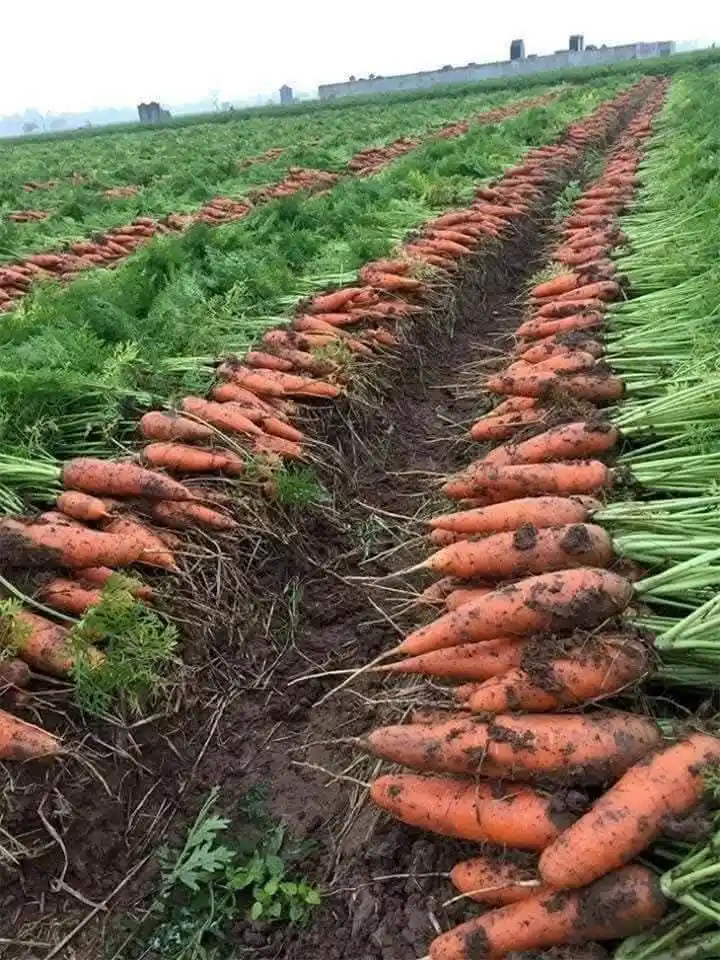
🥕Carrots are ready for harvest 70-120 days after planting, depending on the variety.
🥕Harvest when roots are bright in color, firm, and reach the desired size. Use a garden fork or gently pull the carrots from the soil.
10. *POST-HARVEST HANDLING:*
🥕Remove the tops immediately after harvesting to prevent moisture loss.
🥕Wash the carrots gently to remove soil and sort them by size and quality. Store in cool, dark, and humid conditions to maintain freshness.
By following these tips, you can cultivate healthy, straight, and flavorful carrots that will be suitable for both personal use and commercial purposes!
Learning with *iMaDe FARMs!* 🧡🤍💚
❤️
👍
👏
😍
🥕
8